Counterfeit Love: How Underground Merch Communities Are Out-Loyalizing the Brands They're Ripping Off
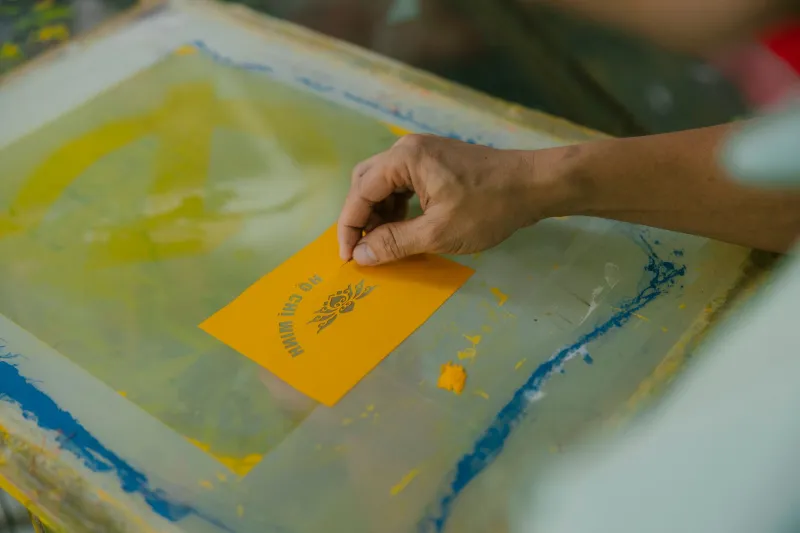
Somewhere in a Discord server you weren't invited to, a guy who goes by a handle you'd never guess is hand-printing shirts based on a forty-year-old horror franchise. The studio that owns that franchise has a licensing department, a retail partnership with a major chain, and an official online store. Their shirts retail for thirty-eight dollars and ship in two weeks. His shirts cost a little more, take longer, and are technically illegal to sell. He's got a three-month waitlist.
This is the bootleg renaissance, and it's weirder and more interesting than most people realize.
The Trust Problem No Amount of Licensing Money Can Fix
Here's the thing about official merchandise: it comes from a place of pure extraction. A studio or brand identifies a property people love, hands the rights to a manufacturer, and produces goods designed to maximize margin. The fan who buys that shirt is a revenue unit. The transaction ends at the register.
The underground merch economy operates on completely different social logic. When you buy a hand-screened print from an artist who's been obsessing over the same cult franchise since they were twelve, you're not completing a transaction — you're joining something. The seller usually knows the source material better than anyone in the official licensing chain. They care about getting the color palette right not because a brand guide says so, but because getting it wrong would personally offend them.
Collectors pick up on this immediately. There's a texture to fan-made goods that mass production can't fake. Slight imperfections, hand-numbered editions, little references that only the deeply initiated would catch — these aren't bugs, they're the whole point. They're proof that another human being who loves the thing made this object. That's a fundamentally different emotional proposition than a poly-blend tee that came off a conveyor belt in a facility that printed a thousand different licensed properties that same week.
The Mythology Embedded in the Object
Talk to serious collectors in any niche — vintage horror, obscure anime, regional pro wrestling, cult video games — and you'll hear the same thing: the story attached to an object is part of its value. Official merchandise almost never has a story worth telling. It exists. It's authentic. It's sanctioned. That's about all you can say.
Bootleg and fan-made items carry narrative weight that official goods simply can't replicate. That shirt wasn't just printed — it was designed by someone who spent six months getting the exact shade of green right because the original promotional poster used a specific ink that's been discontinued since 1987. That enamel pin was produced in a run of fifty because the maker could only afford to order fifty, and now it's genuinely rare in a way that a "limited edition" corporate drop never quite manages to be.
Collector communities thrive on exactly this kind of embedded mythology. When you post your pickup in the group, people want to know where it came from, who made it, what the story is. Official merch rarely generates that conversation. Underground stuff almost always does.
Why Corporations Keep Fumbling This
The frustrating part — from a pure business strategy standpoint — is that the emotional infrastructure these underground communities are building is being constructed entirely around intellectual property that corporations technically own. The loyalty, the word-of-mouth, the genuine enthusiasm? It's all orbiting a sun that the brand holds the deed to, and most brands are doing almost nothing useful with that energy.
Licensing deals tend to optimize for scale and safety. The goal is to produce something inoffensive enough to move units at Target. That calculation essentially guarantees you'll never make anything the hardcore fanbase will love, because the hardcore fanbase wants specificity, weirdness, and depth — all the things that tank mass-market appeal.
So you end up with this absurd situation where the official channel is producing generic, forgettable goods while the underground is doing the actual creative labor of keeping the fandom alive and passionate. The bootleggers are, functionally, doing free marketing for properties they don't own, building communities that sustain interest across decades, and getting cease-and-desist letters for their trouble.
The Community Is the Product
Spend any time in serious collector circles and you start to understand that the merchandise is almost secondary. What people are actually buying into is membership in a community that shares their level of intensity. The object is a token of belonging.
This is why underground makers can charge prices that seem irrational on paper. You're not paying for a shirt — you're paying for the right to post that shirt in the group and have people immediately understand what it means about you. You're paying for the conversation it starts. You're paying for the connection to a maker who is, in the most literal sense, one of your people.
Official merchandise can't manufacture that. You can buy a Marvel hoodie at the mall and have approximately zero meaningful social interaction about it. You can buy a hand-made patch from a creator in a niche fandom Discord and suddenly you've got a thread running forty-five comments deep with people sharing memories, debating lore, and tagging friends. The community generates the value. The underground understands this. Most official licensing operations don't.
What This Actually Means Going Forward
There are brands starting to figure this out — slowly, awkwardly, often unsuccessfully. Some have tried bringing fan creators in-house or doing official collabs with underground artists. The results are mixed, because the thing that makes underground work feel authentic is precisely its outsider status. The moment it gets a corporate stamp of approval, something essential evaporates.
The more interesting development is that collector communities are becoming increasingly sophisticated about protecting their own underground ecosystems. They know what they have. They've watched other niches get "discovered" and flattened by mainstream attention. There's a real awareness now that the value of these spaces depends on keeping them weird, specific, and slightly hard to find.
For collectors who live in this world, that's not a problem — it's a feature. The bootleg renaissance isn't going anywhere. If anything, it's getting more organized, more creative, and more deliberate about building the kinds of community bonds that no licensing deal has ever managed to replicate.
The corporations own the IP. The underground owns the love. And right now, the love is winning.