After Midnight: The Programmers and Theaters Turning Late-Night Cinema Into a Religion
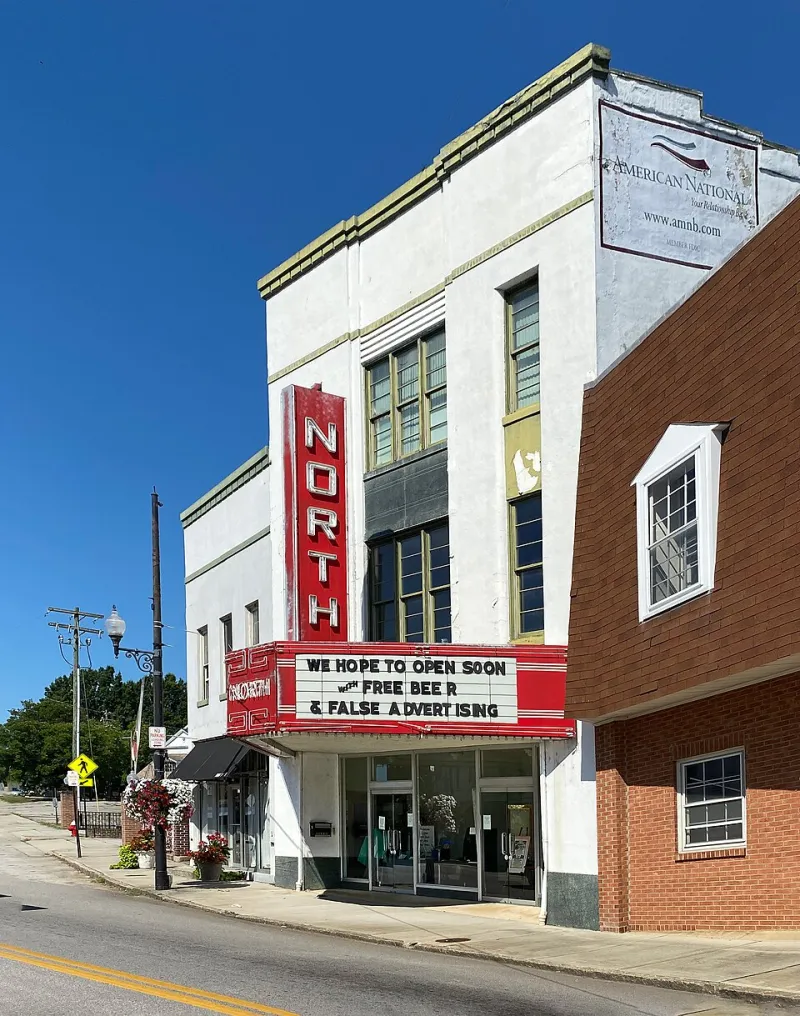
Photo: James Shelton32, CC BY-SA 4.0, via Wikimedia Commons
At 11:45 on a Friday night in a 200-seat theater in Chicago, the lights go down on a double feature nobody planned for them to see. A 35mm print of a 1973 Italian giallo, followed by a regional slasher from 1981 that never got a home video release. The audience — maybe 160 people, ranging from college students to a retired film professor in the third row — is already completely alive. Someone behind you knows every kill in the second film by heart and is quietly vibrating with anticipation.
This is not a Netflix experience. This is something else entirely.
The Programming Is the Art
It's worth saying upfront: the movie is only half of it. What the best midnight programmers understand — the ones building real, loyal audiences in cities across the country — is that curation itself is a creative act. The pairing of films, the context provided, the atmosphere constructed around the screening: all of it shapes what the audience actually experiences.
Jordan, who programs the late-night series at a historic single-screen theater in Nashville, describes his job as "building an argument." "Every double feature is a thesis," he says. "These two movies are in conversation with each other, even if they never knew it. My job is to figure out what they're saying and then put the right people in the room to hear it."
That kind of intentionality is the opposite of what streaming does. Algorithms recommend based on what you've already seen. A good programmer recommends based on what you don't know you need yet. The difference in outcome is enormous.
Why Midnight, Specifically
There's a reason the format has always been tied to late-night screenings, and it's not just historical accident. The midnight slot does something to an audience. People who show up at midnight on a Friday have already made a commitment. They're not there by default. They chose this over everything else available to them, which means the energy in the room is different from a 7 p.m. showing of whatever's opening wide that weekend.
The darkness matters too — literal and figurative. Midnight screenings create a kind of permission structure. The work being shown is often transgressive, strange, challenging, or just deeply weird. Watching it at midnight, in a room full of people who sought it out, makes the experience feel clandestine in the best possible way. You're part of something.
Elena runs a monthly midnight series out of an art house in Portland, Oregon, and she's thought a lot about this dynamic. "There's a social contract that forms in a midnight audience that doesn't exist at other screenings," she says. "People are more willing to go with the film, to sit with discomfort, to laugh at things that are genuinely disturbing. The time of night gives them permission."
The Secret Screening Problem (and Why It Works)
One of the more interesting tactics in the midnight programming toolkit is the secret or mystery screening — events where the title isn't announced in advance. You buy a ticket knowing only a genre, a rough era, or sometimes nothing at all. It sounds like a hard sell, but these events consistently sell out faster than anything else on the calendar.
The psychology is interesting. A mystery screening strips away the pre-consumption research cycle that most moviegoing has become. You can't watch the trailer seventeen times. You can't read the Letterboxd reviews. You show up, and you find out what you're watching when the film starts. For a generation that has spent its entire life with infinite information available at zero friction, that forced surrender is genuinely thrilling.
"People come out of those screenings talking more than any other event we do," Jordan says. "Because they had to process it in real time, with no context, together. That's rare now."
Building the Congregation
The communities that form around regular midnight series are genuinely remarkable things. They're not fandoms in the traditional sense — they don't organize around a single property or franchise. They organize around taste, around curiosity, around a shared willingness to show up for something unexpected.
Regulars at these series often describe the experience in terms that sound almost religious. There's a ritual quality to it: the same theater, the same time, the same faces, the shared experience of something that exists only in that room on that night. A 35mm print that will go back in a can. A conversation that happens in the lobby at 2 a.m. that you couldn't have had anywhere else.
Social media plays a role, but a limited one. The best midnight series thrive on word of mouth — the kind that happens in person, between people who trust each other's recommendations. Mailing lists matter more than follower counts. A packed house at a midnight screening is almost never the result of a viral post. It's the result of years of trust-building between a programmer and an audience.
What the Chains Can't Copy
The major theater chains have tried versions of this. Fathom Events does one-night screenings of classic films. AMC has a classics series. They're fine. They're not this.
What makes independent midnight programming irreplaceable isn't the films themselves — you can technically watch most of them at home. It's the context. The specificity of the curation. The fact that the person who picked this double feature genuinely loves both films and has thought carefully about why they belong together. The fact that the audience self-selected based on trust in that person's taste. The fact that the lobby afterward feels like a party.
None of that scales. That's the point.
"A corporate chain can show a 4K restoration of a cult film," Elena says. "They cannot make you feel like you found something. That feeling is what we're selling."
The Survival Question
Midnight programming is not a financially easy endeavor. Print rental costs, staffing a theater until 3 a.m., the unpredictability of attendance — the economics are genuinely difficult. Many series run on the passion of their programmers and the goodwill of theater owners who believe in what they're building.
But the demand is real, and it's growing. In cities where strong midnight series exist, they've become anchor events for local film culture. They generate the kind of audience loyalty that's nearly impossible to buy. People plan their weekends around them. They bring friends who become regulars. They donate to crowdfunding campaigns when the theater needs a new projector.
The midnight movie isn't a relic. It's a response to exactly what's missing from how most people consume films right now. Passive, isolated, algorithmically sorted, optimized for completion rates. Midnight programming is the correction: active, communal, curated with intention, and stubbornly, beautifully inefficient.
Show up at midnight. See what someone chose for you. Talk about it until the parking lot empties out.
That's the whole thing. That's everything.