Off the Algorithm: The Podcast Underground Building Fanbases Spotify Will Never See
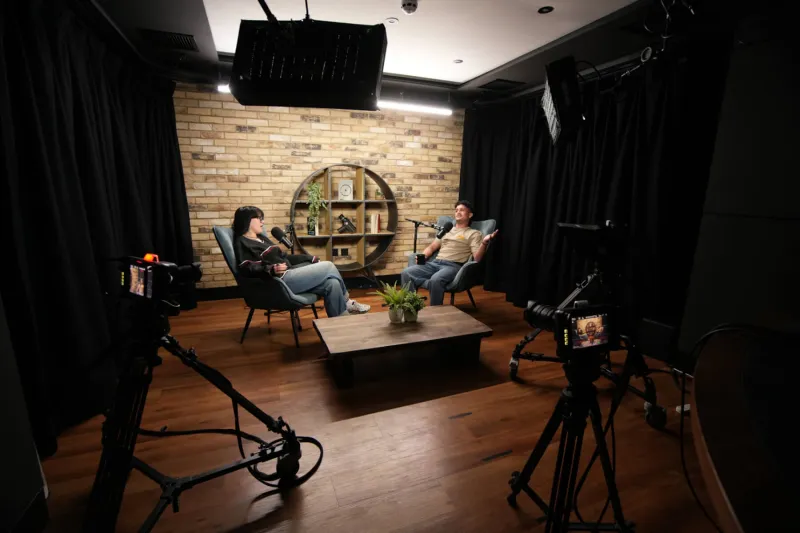
Photo: person recording podcast in dark intimate home studio setup, via cdn.prod.website-files.com
Spotify wants you to think podcasting is a numbers game. Download counts, monthly listeners, chart positions — the whole apparatus of mainstream audio is built around scale, and scale means algorithmic visibility, which means content that performs broadly, which means, inevitably, more true crime. More celebrity interviews. More self-help with a loose narrative wrapper.
And look, some of that stuff is genuinely great. But there's another conversation happening entirely — one that's deliberately invisible to the algorithm, and proud of it.
Across Patreon feeds, private Discord servers, and RSS links shared in close-knit communities, a generation of independent podcast creators is building something the platforms can't easily replicate: actual loyalty. Not passive listeners who forget to unsubscribe. Fans who show up, pay up, and feel like they're part of something real.
The Problem With Being Discovered
Here's the thing about algorithmic success — it comes with a cost that a lot of independent creators have watched play out in real time and decided they want no part of.
When a podcast blows up on Spotify or Apple, it gets listeners. It also gets advertiser pressure, format expectations, content moderation headaches, and an audience that found the show through a recommendation engine rather than through genuine cultural osmosis. The community feel — if it existed at all — tends to dilute fast.
"I watched it happen to a show I loved," says Daria, who runs a horror-adjacent audio fiction podcast out of Chicago that she asked us not to name directly. "They got the Spotify deal, got the big numbers, and within a year the Discord was full of people who had no idea what the show used to be. The old fans felt displaced. The new fans didn't have context. It kind of fell apart culturally even while it was growing statistically."
That experience — watching scale hollow out community — is practically a founding myth for the podcast underground. Creators who've seen it happen to others are making deliberate choices to stay off the platforms, or to use them only minimally, treating Spotify as a discovery funnel at most rather than a home.
How the Money Actually Works
The obvious question is: can you actually sustain a podcast this way? The answer, increasingly, is yes — but it requires rethinking what success looks like.
Patreon is the backbone for most of these operations. A show with 800 dedicated Patreon supporters at $7 a month is pulling in roughly $5,600 monthly before fees — not life-changing money for a network, but absolutely viable for a solo creator or a small team producing a genuinely niche show. And the key word there is dedicated. Patreon listeners have opted in with their wallets. Churn is lower. Engagement is higher. When you drop a bonus episode or a behind-the-scenes voice memo at midnight, those people actually listen.
Beyond Patreon, the underground has gotten creative. Limited merchandise drops — runs of 50 or 100 items, announced only in Discord — sell out fast and generate genuine excitement. Some shows have moved into live events: small venue recordings, listener meetups, even escape-room style experiences built around show lore. One true crime alternative show based out of Austin does quarterly "case file" physical mailers for their top-tier subscribers — printed documents, photographs, handwritten notes — that fans treat like collector items.
"The merch drop culture came directly from streetwear and sneaker culture," says one podcast producer who runs a network of three genre audio fiction shows. "Scarcity creates value. If you can buy something anytime, it doesn't mean anything. If 75 people in the world own this thing, it means something."
Discord as the Real Product
If Patreon is the financial engine, Discord is the soul of these operations.
The private Discord servers attached to underground podcasts function less like fan clubs and more like actual communities — places where listeners debate episode theories, share related media, build genuine friendships, and develop a collective identity around the show. For creators, that community is also a feedback loop, a testing ground for ideas, and a direct line to the people who care most about the work.
It also creates a meaningful barrier to casual participation. You don't drift into a private Discord by accident. You have to want to be there. That self-selection process tends to produce communities that are more invested, more civil, and more interesting than the open comment sections of mainstream platforms.
Some creators have leaned into this deliberately, treating Discord access as a premium tier and using the server as a space for exclusive content — live Q&As, early episode drops, serialized bonus material that never appears in the main feed. The Discord becomes a reason to subscribe beyond just supporting the show.
Why True Crime's Shadow Scene Matters
It's worth being specific about why the true crime genre is where so much of this underground energy is concentrated.
Mainstream true crime podcasting has a well-documented problem with ethics — shows that sensationalize victims, that treat real tragedies as entertainment product, that chase the most salacious details for engagement. That criticism is fair, and a significant portion of the podcast underground grew partly as a reaction to it.
The independent shows operating outside Spotify's orbit tend to approach the genre differently — more focus on systemic failures, wrongful convictions, and the experiences of survivors and families, less focus on dramatic recreations and cliffhanger episode structures. They're not universally more ethical, but the smaller, self-selected audiences create different incentive structures. You can't really sensationalize your way to a Patreon milestone when your listeners know you personally.
The Trade-Off Nobody Talks About
Staying small is a choice, but it's not a costless one. Creators in this space are giving up reach — sometimes significant reach — in exchange for control and community. There are shows operating in the podcast underground right now that could probably triple their audience if they chased algorithmic distribution, and they've decided not to.
That's a real sacrifice. It means less cultural impact in the broad sense, less ability to shape the wider conversation. It means some genuinely great work will never find the audience it deserves because it's not optimized for discovery.
But the listeners who do find these shows? They're not going anywhere. And in a media landscape where attention is the scarcest resource and loyalty is practically a myth, that might be the most valuable thing a creator can build.