Buried in the Vault: The Cult Films No Studio Wants to Bring Back to Life
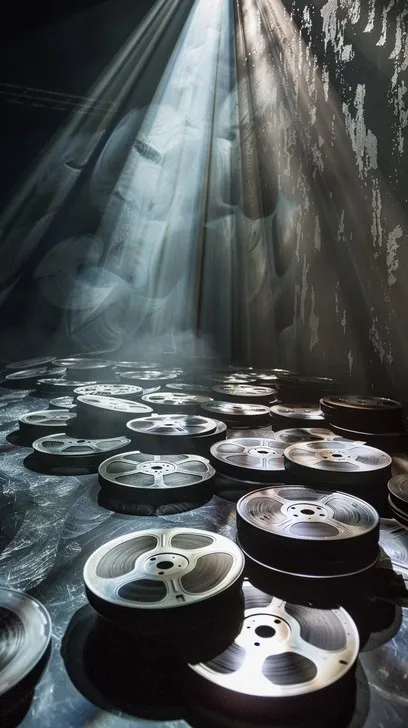
Photo: dusty film reels in archive vault cinematic lighting, via images.stockcake.com
There's a particular kind of heartbreak that only film obsessives understand. You hear about a movie — maybe from a dog-eared entry in a worn-out Psychotronic Encyclopedia, maybe from a thread on some obscure forum at 2 a.m. — and you track it down, desperate to watch it. Then you hit a wall. No streaming. No Blu-ray. No DVD reissue. Just a title floating in the ether, technically owned by a studio that has zero interest in letting you see it.
This isn't a rare phenomenon. It's practically an epidemic.
While services like the Criterion Channel and Shudder have done genuinely heroic work surfacing forgotten cinema, there's a shadow library beneath even those impressive catalogs — films so legally tangled, commercially unappealing, or culturally radioactive that no distributor will go near them. And the collectors who've managed to find these titles? They're not talking loudly about how.
Why Studios Sit on Films They'll Never Release
The simplest answer is money, but the full picture is way more complicated than that.
Rights clearance is the first and most brutal obstacle. A low-budget exploitation film from 1974 might have licensed three separate pop songs, hired a composer whose estate is now split between warring heirs, and featured footage from a newsreel owned by a company that's been bought and sold six times since. Clearing all of that for a 4K restoration can cost more than the film ever made in its original theatrical run. For a niche title with a limited audience ceiling, the math just doesn't work.
"The assumption is that studios are hoarding these films out of spite," says one independent archivist who asked to remain unnamed — they work with a major lot and weren't authorized to speak publicly. "Sometimes it's pure indifference. The film exists in a database entry. Nobody's championing it internally. It just sits."
Then there are the films that studios actively don't want restored. A handful of cult titles from the 1970s and '80s feature content that would generate immediate controversy if re-released today — not necessarily illegal material, but racially coded humor, sexual content involving ambiguous age depictions, or politically inflammatory imagery that a modern PR team would flag instantly. Restoring and distributing those films means owning them publicly, in the current media climate. Easier to let them rot.
The Collectors Filling the Gap
Here's where the underground does what it does best.
A loose network of collectors, projection enthusiasts, and obsessive archivists has spent decades quietly preserving these films through 16mm and 35mm prints purchased at estate sales, defunct theater liquidations, and private deals with projectionists who walked out of closing drive-ins with reels under their coats. These aren't pirates in the Hollywood-lobby sense of the word — many of them are preservationists in the truest sense, spending their own money on proper storage and careful handling.
Mark, a collector based in the Pacific Northwest who runs a private screening series out of a converted garage, has spent over a decade accumulating prints of films he describes as "legally orphaned in spirit if not always in fact." He's careful about what he shares and with whom.
"There's a film I have — a regional horror thing from 1981, shot in Georgia, never got a proper release outside of a few drive-in dates — that I genuinely believe no other surviving print exists," he says. "The production company dissolved. The negative is almost certainly gone. If I didn't have this print, this film wouldn't exist anywhere."
He's not alone. Online communities — some public, most invite-only — trade information about these titles constantly. Lists circulate. Sourcing tips get passed around like contraband. The culture around these films has developed its own vocabulary, its own hierarchies of knowledge.
The Restoration Problem Nobody Talks About
Even when a cult film clears the rights hurdles and finds a willing distributor, restoration itself is a minefield.
Boutique labels like Vinegar Syndrome and Arrow Video have built their entire brands around digging up and restoring exactly these kinds of films, and they've done extraordinary work. But even they hit ceilings. A title might be cleared for release in the US but tied up in European co-production agreements that complicate international distribution. A restoration might require elements — original camera negatives, optical sound negatives — that simply no longer exist, forcing expensive digital reconstruction work that changes the economics entirely.
"People see a Vinegar Syndrome release and think it was easy," says one restoration technician who's worked on several boutique label projects. "Sometimes those releases represent years of back-and-forth with estates, with labs, with rights holders who don't even fully understand what they own. And those are the success stories."
The films that don't make it through that process stay buried. Some of them are genuinely obscure curios that only fifty people on earth care about. But some of them are legitimately significant — regional filmmaking artifacts, early work from directors who went on to mainstream careers, documents of American subcultures that don't exist anywhere else on film.
What's Actually Lost
It's worth sitting with that last point for a second.
Film preservation isn't just about entertainment. A drive-in horror film shot in rural Alabama in 1978 is also a time capsule — accents, fashion, regional signifiers, the texture of a specific American place and moment that a Hollywood production would never have captured. When those films disappear, something irreplaceable goes with them.
Collectors understand this on a gut level. It's why they keep paying estate sale prices for fragile prints, why they maintain temperature-controlled storage for films that the studios that technically own them have completely forgotten about. It's a labor of love, sure, but it's also a kind of cultural stubbornness — a refusal to let the official record be the only record.
The vault isn't going to open on its own. The studios have made that clear. So the people who actually care about these films are doing the work themselves, in garages and basements and private screening rooms, keeping the reel turning on films that the industry has quietly decided aren't worth saving.
Some of us think they're wrong.