Ghost Signals: The Fan Communities Resurrecting Anime That Streaming Giants Left for Dead
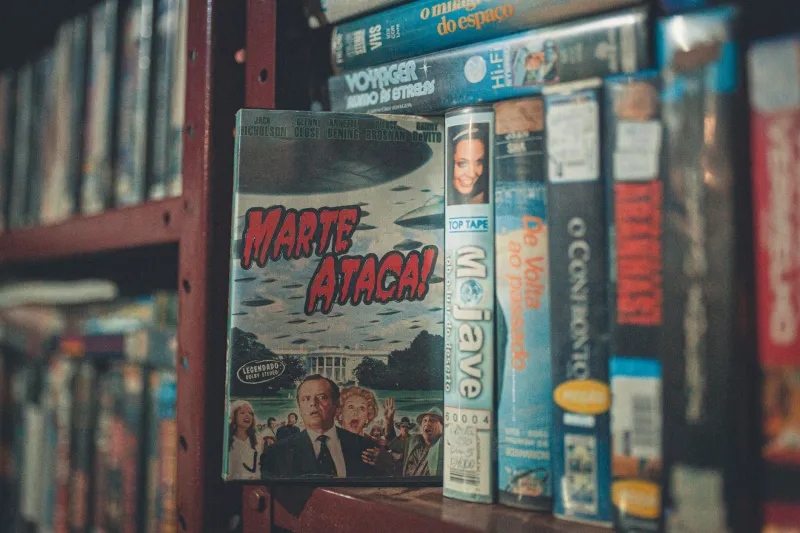
There's a 1989 mecha series that aired in Japan for exactly one season, sold a modest amount of model kits, and then vanished. No streaming rights. No physical release outside a handful of LaserDiscs that surface on Yahoo Auctions Japan every couple of years. If you want to watch it, your options are basically: learn Japanese, spend four hundred dollars on degraded disc copies, or find the right Discord server.
A lot of people are choosing the Discord server.
This is the reality of anime preservation in 2024 — and the people quietly keeping these shows alive aren't executives or archivists. They're volunteers with ripping equipment, translation spreadsheets, and an almost stubborn refusal to let obscure titles disappear into the void.
Why the Majors Won't Touch It
Here's the thing about streaming platforms and anime licensing: it's expensive, complicated, and the math only works if a show already has a built-in audience. Crunchyroll, Funimation, and Netflix have all made aggressive plays for the mainstream catalog — your Demon Slayer, your Attack on Titan, the titles that move subscriptions. But a 26-episode OVA series from 1992 with a fanbase of maybe eight thousand people worldwide? That's a licensing negotiation with a Japanese rights holder that might not even know who owns the masters anymore, followed by a restoration budget, followed by a subtitle contract, followed by a release that earns back roughly nothing.
So it doesn't happen. And the shows just... sit there. Technically owned. Practically inaccessible.
The legal gray zone these fan communities operate in is real, and nobody pretends otherwise. But there's also a quiet, unspoken acknowledgment from rights holders that fan translations of titles they're not actively monetizing tend to get looked past. It's not endorsement. It's more like deliberate inattention.
The Pipeline Nobody Talks About
Actually getting a forgotten anime from a deteriorating tape to a watchable release is more involved than most people realize. It starts with sourcing — and sourcing is its own obsessive subculture.
Collectors in Japan scan auction sites, hit estate sales, and maintain relationships with secondhand shops in cities like Osaka and Nagoya. A raw LaserDisc capture might get passed to someone in the US or Europe who has the hardware to run a proper frame-by-frame restoration pass. From there, a raw video file lands in the hands of a translation coordinator — usually someone running a small fansubbing group through Discord or a private forum — who breaks the script into chunks and assigns segments to volunteer translators.
Good fan translation groups don't just throw a script through DeepL and call it done. The serious ones have translation checkers, timing editors, and typesetters who handle the on-screen text that official subs routinely butcher or skip entirely. Signs, background posters, eyecatch cards — the stuff a rushed official release treats as optional gets handled with real care by people who just genuinely care about the show.
The result, more often than not, is a release that buries the official version in quality. Anyone who's sat through a mid-2000s Funimation subtitle track and then watched a fan restoration of the same episode knows exactly what this looks like.
The Dub Problem (And Why Fans Are Solving It)
Subtitles are one thing. Fan dubs are a whole other level of ambition — and they're getting genuinely good.
A loose network of voice actors, many of them semi-professional or working in regional theater and indie games, have started lending their time to fan dub projects for titles that never got English audio treatment. Recording happens remotely, mixed by hobbyist audio engineers who've gotten sharp through years of podcast and YouTube production work. The final products aren't always polished — room tone inconsistencies, the occasional clipped line — but they're frequently more faithful to the original performances than official dubs that prioritized lip-flap sync over actual characterization.
There's a community around a mid-90s magical girl series that got a notoriously bad localization back when it briefly aired on a regional cable block. The fan dub that came out two years ago doesn't just fix the translation — it recontextualizes the entire emotional arc of the show by treating the characters like actual people instead of cartoon props. People who watched the original broadcast as kids have described it as genuinely moving.
Distribution in the Dark
Once a release is done, getting it out is its own logistical puzzle. Torrent trackers dedicated to anime preservation have been around for decades, and the older ones have developed real institutional knowledge about what exists, what's been attempted, and what's still missing. Private trackers with ratio requirements and invite-only access have become the trusted backbone of distribution — slow, deliberate, and harder for rights holders to target than a public upload.
There are also archival projects with a more overt preservation mission, mirroring releases across distributed storage and maintaining detailed databases of what's been completed, what's in progress, and what source materials are still being hunted. Some of these projects communicate openly with Japanese collectors. A few have even received quiet, unofficial cooperation from people inside the industry who understand that this work fills a gap nobody else is filling.
What This Actually Means for the Culture
The mainstream anime industry benefits from fan preservation in ways it will never publicly admit. Shows that get rediscovered through underground channels build audiences that eventually support official merchandise, legitimate re-releases, and sequel announcements. The renewed Western interest in certain classic titles over the last decade didn't come from streaming algorithms — it came from fans who found old fansubs, fell in love, and spread the word.
There's also something worth sitting with about what it means that a volunteer network with no budget, no legal protection, and no institutional backing consistently out-performs billion-dollar platforms on the thing that's supposed to be those platforms' whole job: making content accessible.
The streaming era promised that everything would be available everywhere. It didn't deliver. The gap between that promise and reality is exactly the space these communities have filled — carefully, obsessively, and with a level of craft that puts the pros to shame.
Somewhere right now, someone is capturing a beat-up LaserDisc on equipment they bought used off eBay, running the video through a filter stack, and beginning the slow work of making something invisible visible again. They're not getting paid. They're not getting credit in any official capacity. They're just making sure the thing doesn't disappear.
That's the underground working exactly the way it's supposed to.