Print Hunters and Passion Projects: How Boutique Labels Became the Last Guardians of World Cinema
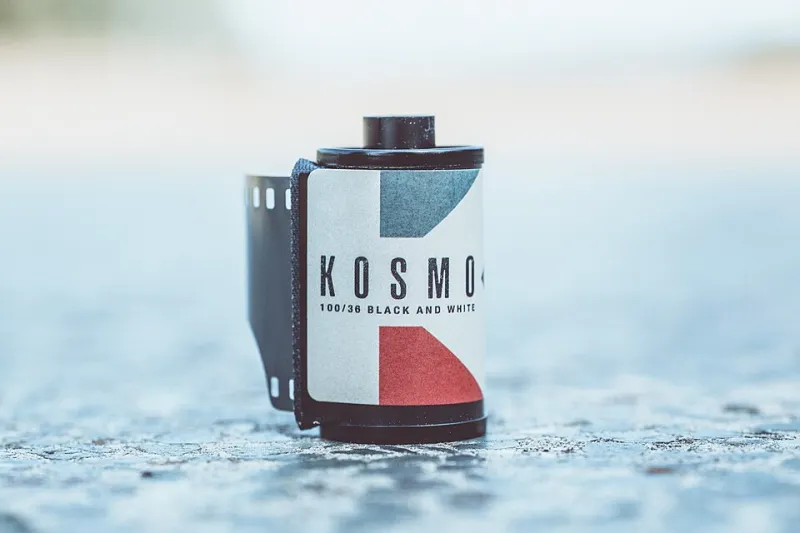
Photo: Markus Spiske from Forchheim, Bavaria Upper Franconia, CC0, via Wikimedia Commons
There's a specific kind of dread that a film preservationist feels when they finally track down the rights holder for a 1973 Italian giallo, only to discover that the surviving 35mm print has been sitting in a flood-damaged warehouse outside Naples for the better part of two decades. That dread is real. And somehow, against every reasonable expectation, it keeps getting resolved — because a small, scrappy ecosystem of boutique distributors has decided that no film worth loving should die quietly in a storage unit.
This is the world that labels like The Criterion Collection, Arrow Video, and Vinegar Syndrome operate in. And if you've spent any time in cult film circles, you already know that their releases aren't just home video products. They're events.
The Detective Work Nobody Talks About
Most people who buy a Criterion Blu-ray see the clean transfer, the essay booklet, the newly commissioned cover art. What they don't see is the months — sometimes years — of forensic work that happened before any of that was possible.
Rights to obscure international films are frequently scattered across multiple parties: original production companies that no longer exist, estates of deceased directors, distributors who acquired regional licenses in the '80s and then went bankrupt, and occasionally government film boards in countries that have since undergone political restructuring. Tracking down who actually owns what is less like a business negotiation and more like assembling a legal jigsaw puzzle where half the pieces are in different languages.
Arrow Video's team has spoken publicly about cases where they've had to cold-contact the children or grandchildren of original filmmakers — people who didn't even know their relative's film had a cult following in the United States. Criterion's curatorial staff maintains relationships with international archives and cinematheques that most American film fans have never heard of. These aren't just distribution deals. They're archaeological digs.
Why the Source Material Matters So Much
Here's where it gets genuinely nerdy, and also where the collector community starts paying extremely close attention: not all surviving prints are equal, and the hunt for the best possible source material is its own obsession.
A film like Dario Argento's Deep Red might have a dozen different surviving elements — an Italian camera negative, a German theatrical print with different color timing, a U.S. export version with cut footage, a Japanese laserdisc with an alternate audio track. Boutique labels like Vinegar Syndrome have built their entire reputation on the idea that you go back to the best available source, even if that means licensing materials from three different countries and reconciling them in post.
For collectors, this matters enormously. The difference between a muddy upscale from a worn print and a genuine 4K scan of the original camera negative isn't just technical — it's the difference between watching a film and experiencing what the director actually intended. That distinction has turned restoration quality into a serious topic of discussion in collector forums, Discord servers, and subreddits dedicated to boutique physical media.
The Cult of the Spine Number
If you want to understand why people in these communities are so intensely loyal, look at the way they talk about spine numbers. Criterion's numbered collection — currently well past 1,100 entries — has created a completionist culture that borders on the devotional. People track gaps in their collections, debate which titles deserve inclusion, and treat the announcement of a new spine number like a cultural event.
Arrow Video has cultivated a similar dynamic in the horror and action spaces, particularly with its limited edition releases that sell out within hours. Vinegar Syndrome's annual holiday sales have become a kind of ritual for a certain type of film obsessive — the kind who sets an alarm for the sale launch and has a spreadsheet ready.
This isn't just consumerism, though the labels obviously benefit from it. It's community formation around a shared set of values: that obscure films deserve to be seen, that quality presentation is a form of respect, and that the act of preservation itself is worth celebrating.
The Films That Almost Didn't Make It
Some of the most significant releases in boutique label history are films that came genuinely close to permanent loss. Certain titles from the early sound era exist today only because someone thought to transfer a single surviving print before the nitrate decomposed. Others were considered so commercially worthless that studios literally threw them away — and were only recovered because private collectors had made illegal dupes decades earlier.
The irony is thick: the bootleg culture that Hollywood spent years trying to litigate out of existence is directly responsible for preserving films that Hollywood itself had abandoned. Some of those bootleg tapes eventually led boutique labels to surviving elements that nobody knew still existed.
This creates an interesting moral complexity that the collector community tends to sit with pretty comfortably. The line between piracy and preservation has always been blurry when the alternative is oblivion.
Why This Matters Right Now
Streaming has done a lot of things for film accessibility, but it's done almost nothing for the deep catalog of international cinema that boutique labels specialize in. Algorithms don't surface 1960s Brazilian Cinema Novo. Netflix isn't licensing a restored print of a Polish horror film from 1973. The economics simply don't work for platforms built around engagement metrics and subscriber retention.
Boutique physical media exists precisely in that gap — and for a dedicated audience, it's not a compromise. It's the preference. The people buying these releases want the booklet, the reversible sleeve, the audio commentary from a film scholar who's spent thirty years thinking about this specific movie. They want the object as much as the film.
That's the Criterion effect, really. It's not just about one label. It's about a philosophy of cinematic care that a small but intensely passionate community has decided is worth paying for, collecting, and arguing about at length on the internet at midnight. Which, honestly, sounds about right for this corner of the entertainment world.