Delete This: The Secret Servers Where Fans Are Outrunning Corporate Erasure

Somewhere right now, a streaming platform is quietly removing a show from its library. No announcement. No press release. Just a title that was there yesterday and isn't today — and a fandom that's suddenly scrambling.
This is the part the entertainment industry doesn't love talking about: the routine, almost casual destruction of its own catalog. Licensing deals expire. Mergers shuffle the deck. Tax write-offs make deletion cheaper than storage. And in the process, entire seasons of television, limited-run digital releases, behind-the-scenes content, and years of official social media archives simply vanish. Poof. Gone like they never mattered.
Except they did matter. And a surprisingly organized underground community has decided to prove it.
The Archivists Nobody Hired
They don't have a union card or an institutional budget. What they have is server space, a deep well of patience, and an almost religious conviction that culture belongs to the people who loved it — not the corporations that currently hold the paperwork.
Call them Discord Archaeologists, digital packrats, or just extremely dedicated fans. Whatever the label, these communities operate out of private and semi-private servers, often invite-only, where members coordinate the systematic capture and cataloging of media before it disappears. We're talking everything from raw episode files to deleted tweets, official trailers that got pulled mid-campaign, and dev diaries that studios quietly buried after a game flopped.
One archiver — who goes by the handle "Vaultkeeper" and asked that their server not be named directly — described the work like this: "It's triage. You're always watching the horizon for the next deletion event, and when it comes, you've got maybe a 48-hour window before the CDNs flush and it's really gone."
That 48-hour window is everything. Communities have developed internal alert systems — bots that monitor streaming libraries for sudden title removals, fan accounts that flag unusual activity on official social channels, and dedicated members who manually check at-risk catalogs on a rolling schedule. When something trips the wire, the group mobilizes.
What They're Actually Saving
The scope of what gets preserved is wider than you might expect. Sure, there's the obvious stuff — episodes of shows that got yanked from platforms after a rights dispute, or the first season of an animated series that a new parent company decided didn't fit the brand. But the archives go deeper.
Scrubbed social media is a huge category. Official accounts for cancelled projects sometimes get wiped entirely, taking years of promotional material, developer commentary, and fan interaction with them. Some archivers specialize in capturing these before the axe falls, building what amount to social media time capsules for projects that corporate bean counters have decided to memory-hole.
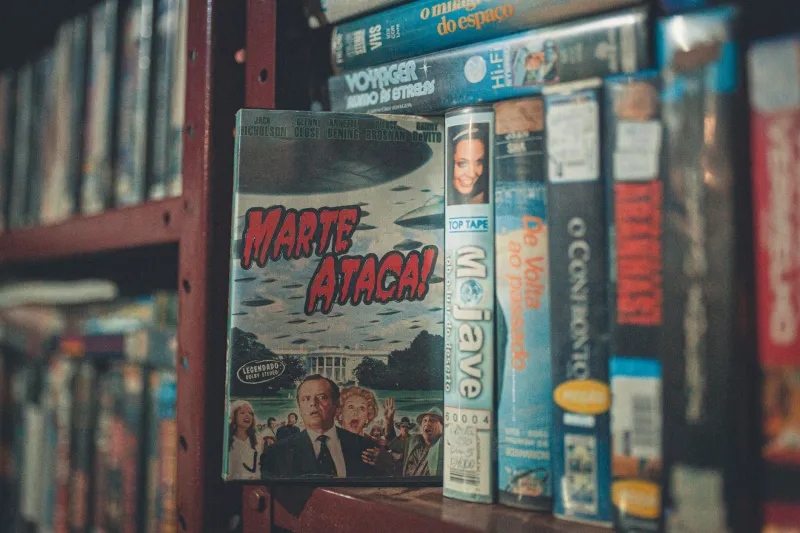
There's also a significant focus on physical-to-digital transfers for content that never got a proper release. Limited theatrical runs, regional exclusives, foreign cuts that never made it stateside — the collector culture overlap here is massive. People who hunt VHS and LaserDisc aren't just nostalgists; a lot of them are feeding material directly into these digital preservation networks.
And then there's the genuinely weird stuff: internal promotional materials that leaked, early builds of games that surfaced briefly before getting DMCA'd, director's cuts that existed on a single official source that went dark. The archivists treat all of it with the same seriousness.
The Philosophy Behind the Hard Drive
Ask any of these preservationists why they do it, and the conversation gets interesting fast. This isn't just hoarding. There's a coherent worldview underneath the technical work.
"The argument that studios own culture and get to decide what survives — I think that's one of the most corrosive ideas in modern entertainment," said one community moderator who runs an archive focused specifically on animated content. "These things exist because audiences made them matter. When a company destroys them for a tax break, they're not just cleaning house. They're rewriting history."
That framing — preservation as resistance — comes up constantly in these spaces. There's a genuine sense that what they're doing isn't piracy in the traditional sense but something closer to civil archivism. The Internet Archive gets cited a lot. So does the history of samizdat publishing in the Soviet Union, which might sound dramatic until you consider that some of what these groups are saving genuinely cannot be found anywhere else on earth.
The legal territory is, predictably, murky. Copyright law in the US doesn't offer clean protection for this kind of work. Section 108 of the Copyright Act gives libraries and archives some preservation rights, but these are informal communities, not institutions. They operate in a gray zone and most of them know it. Some have had servers taken down. Others have watched carefully maintained archives disappear overnight after a DMCA sweep.
That risk is part of why the networks stay fragmented and semi-private. Redundancy is the whole game — multiple copies across multiple locations, often spread between members in different states or even countries.
The Tech Stack of the Underground
Without getting into specifics that would essentially function as a how-to guide for corporate legal teams, the tools these communities use are a mix of widely available software and genuine ingenuity. yt-dlp and its predecessors are workhorses. Wayback Machine integrations help with web content. Dedicated NAS setups, sometimes pooled across members, handle the storage load.
What's more impressive is the organizational infrastructure. These aren't chaotic dumps of random files. The better-run archives have tagging systems, quality control processes, and internal documentation that would embarrass some professional media companies. Metadata gets preserved alongside content. Context gets recorded. The goal isn't just to have the file — it's to have the file in a form that's actually useful to someone who finds it in twenty years.
"We think about future researchers," said Vaultkeeper. "Not just fans right now. Someone doing media history in 2045 is going to want to know what the official social media voice for [a cancelled streaming show] actually sounded like. We're saving that."
Why This Matters Beyond Fandom
It's easy to frame this as a niche concern — obsessive fans saving things nobody else cares about. But the implications stretch further than the Discord servers where it's happening.
American media history is increasingly held hostage by corporate decision-making that has nothing to do with cultural value. The recent wave of streaming-era cancellations and content purges has deleted more moving image culture than most people realize. When a studio pulls a show and destroys the masters for an accounting benefit, that's not a footnote — that's a hole in the record.
The communities doing this work aren't waiting for institutions to catch up. They've decided, collectively, that if the people who own the culture won't protect it, the people who love it will. And honestly? Given the pace of corporate erasure right now, it's hard to argue they're wrong.
The hard drives keep filling up. The servers stay online. And somewhere, right now, an alert is firing because another title just disappeared from a platform — and a small group of dedicated archivists is already moving.