No Budget, No Problem: The Underground Composers Scoring Fan Films Into Another Dimension
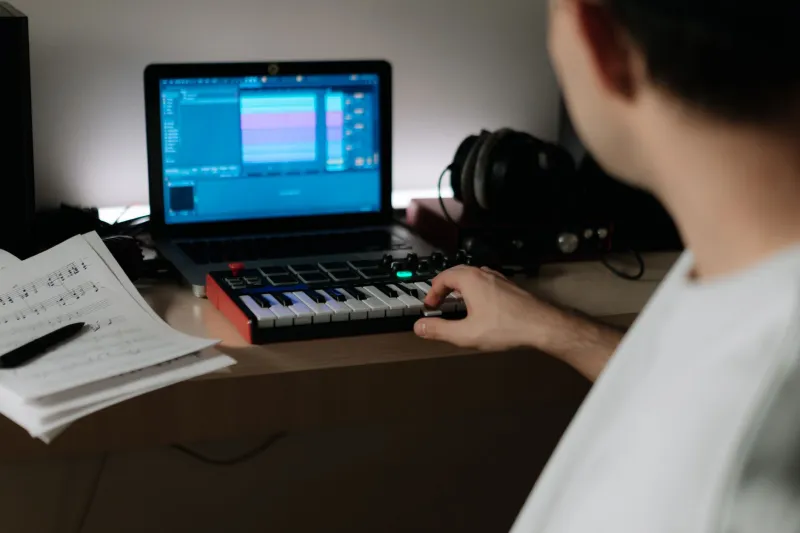
Somewhere in a converted bedroom studio in Columbus, Ohio, a guy named Marcus is finishing a forty-piece orchestral arrangement for a Star Wars fan film that will never see a theater. The director has no distributor. There's no marketing budget. The cast is a group of friends with lightsabers they bought on Amazon. And yet, the score Marcus just delivered sounds like something that could've slipped out of a John Williams session — layered, emotional, built with intention.
Nobody paid him what he's worth. He did it anyway.
This is the bootleg soundtrack economy, and it's quietly producing some of the most compelling original music in genre entertainment right now.
The Scene Nobody's Talking About
Fan film culture has existed for decades, but what's changed in the last five or six years is the quality floor. Cameras got cheaper. Editing software got accessible. Visual effects tutorials flooded YouTube. And somewhere along the way, a generation of composers — trained on everything from Berklee online courses to deep obsessive dives into Hans Zimmer breakdowns — started showing up to score these projects with genuine craft.
The results are jarring in the best way. Watch a well-made fan film with a proper original score and then go rewatch a mid-tier studio sequel that recycled its own franchise themes for the fourth time. The underground version often hits harder. Not always — but often enough that the pattern is impossible to ignore.
These composers aren't bootlegging anything in the traditional sense. Most of them write original music. They're inspired by the tonal language of a franchise, sure, but they're composing new cues, new themes, new emotional architecture. The legal gray area comes from the association with copyrighted IP, not the music itself. Most fan films operate under an unspoken gentlemen's agreement with studios — don't monetize, don't distribute for profit, and you'll probably be left alone. The composers working in this space understand that calculus and build their careers around it carefully.
How You Actually Build a Career Here
The hustle looks different than a traditional film scoring path. There's no agent, no guild, no reel that gets you into a meeting with a music supervisor. What there is: a Discord server, a Bandcamp page, a growing list of credits on projects that have racked up millions of views on YouTube.
That last part matters more than people realize. A fan film that pulls three million views is a legitimate portfolio piece. Directors of indie games, short films, and micro-budget features watch that stuff. They see the score. They reach out. The underground composer suddenly has a paying client who found them through a Halo fan film that some kid in Texas directed on weekends.
Some of these composers are also doing something smart with the music itself — releasing the scores independently on streaming platforms, Bandcamp, or even Patreon. The fan film might live in a legal gray zone, but a standalone orchestral score released under your own name? That's yours. That's revenue. That's building a catalog.
Patreon especially has become a quiet lifeline. Dedicated listeners — people who found a composer through a fan project and fell in love with their sound — will pay monthly just to get early access to new tracks, behind-the-scenes breakdowns of their process, or stems they can use for their own projects. It's a micro-economy built entirely on trust and quality, which is honestly more than you can say for a lot of what's happening inside the industry.
Why Fans Trust Them More
Here's the uncomfortable truth that nobody in a studio music department wants to say out loud: a lot of official franchise scoring has gotten lazy. Themes get recycled. Emotional beats get telegraphed with the same sonic shorthand. Big tentpole films increasingly lean on temp tracks — placeholder music used during editing — and never quite escape their shadow. The final score ends up sounding like a slightly more expensive version of what any competent composer could generate with a library and a deadline.
Underground composers don't have that problem, mostly because they have nothing to lose by swinging for something different. They're not worried about the director's notes or the marketing department's feedback or whether the score will "test well" with a focus group in Burbank. They're making music for the project in front of them, full stop.
Fans can feel that. There's an authenticity to music made without commercial pressure that listeners pick up on even if they can't articulate it. The emotional honesty lands differently. And once a fan community decides they trust a composer, that loyalty is fierce — the same way cult audiences attach to anything they feel like they discovered on their own terms.
The Legal Tightrope
It would be dishonest to pretend this world is without risk. Studios have shut down fan films before, and a high-profile project with a particularly polished score might attract more attention than a scrappy backyard production. Composers in this space tend to be deliberate about how they talk publicly about their work — they don't claim affiliation with any IP holder, they're careful about how they title and market their releases, and they stay plugged into community channels where people track which studios are being aggressive about enforcement at any given moment.
Some have gotten cease-and-desist letters. Most of those stories end with the project being quietly taken down, no further action. The composers who've been around long enough treat it as an occupational hazard rather than an existential threat. The music lives on. The catalog stays up. You move to the next project.
A few have even used the experience to pivot — a composer who built their name on Star Trek fan films might pivot to scoring original sci-fi indie games or web series, where the legal picture is completely clean and the money is real. The underground is often just a proving ground.
What This Looks Like in Five Years
The honest answer is nobody knows, but the trajectory is interesting. AI-generated music is already threatening the low end of the commercial scoring market — the cheap library music that fills corporate videos and streaming filler. That pressure might actually push more genuine talent toward the underground, where originality and human craft are still the whole point.
Meanwhile, the fan film audience isn't shrinking. If anything, the appetite for high-quality fan-made content keeps growing as official franchises keep disappointing people. Every time a beloved property releases a mediocre entry, it creates a vacuum that fan creators rush to fill — and they need composers to help them do it.
Marcus in Columbus is still working on his next project. The last one got half a million views. Someone reached out about scoring an indie horror game. He's thinking about it.
The machine doesn't have to let you in for you to build something worth hearing.